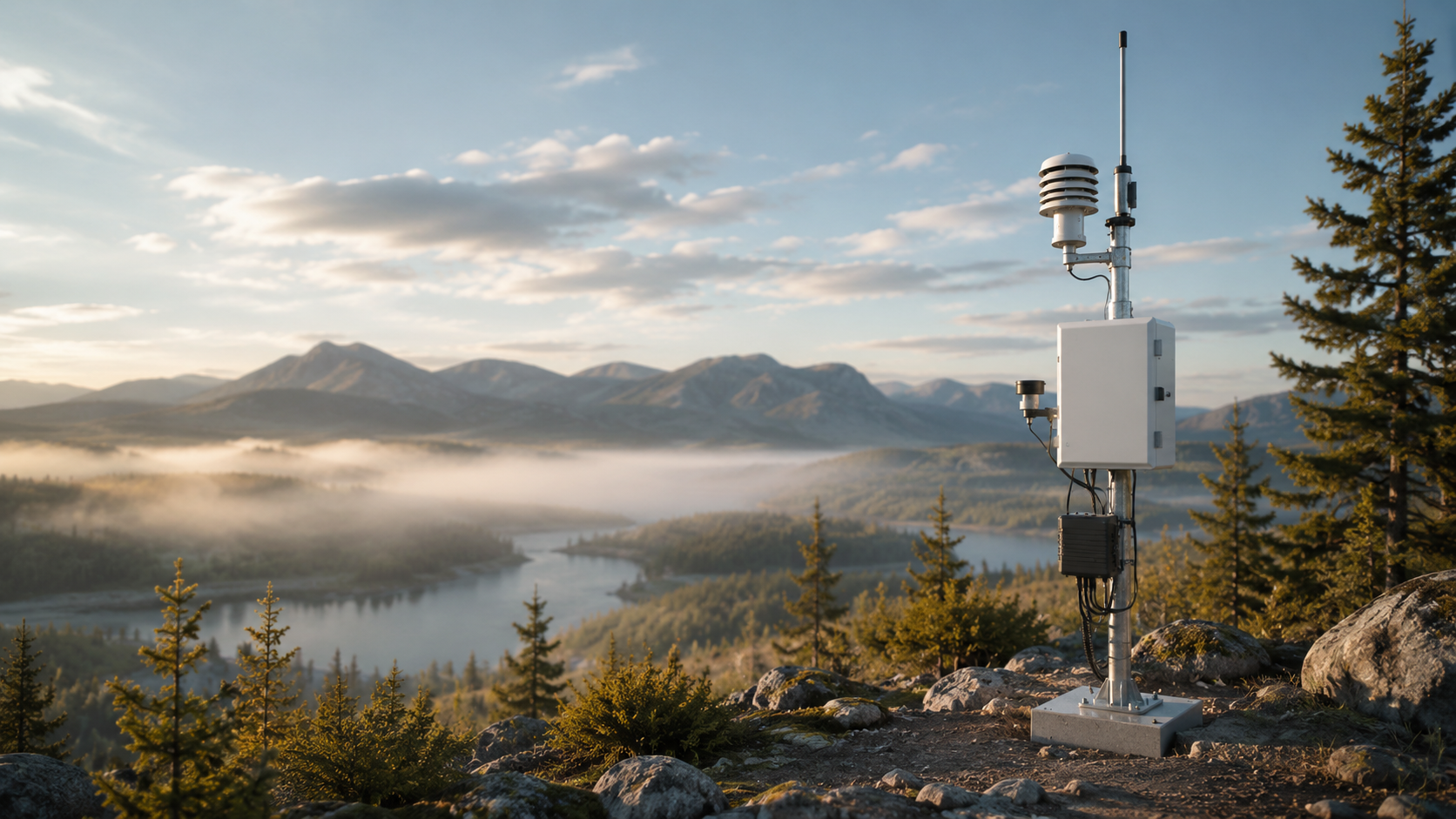
Air-quality, stream, and wildlife-monitoring stations in catchments, forests, wetlands, and research sites chosen for scientific value, not accessibility.
The power challenge
Long-term datasets die when power does. Stations in canyons, under canopy, or at high latitude fight chronic solar deficits, and every service visit disturbs the site being studied.
Why current solutions fall short
Canopy shading and winter sun angles undermine solar. Frequent battery swaps are costly and can compromise sensitive study areas. Open rotors are often unacceptable in wildlife-sensitive locations.
Why enclosed micro-wind may fit
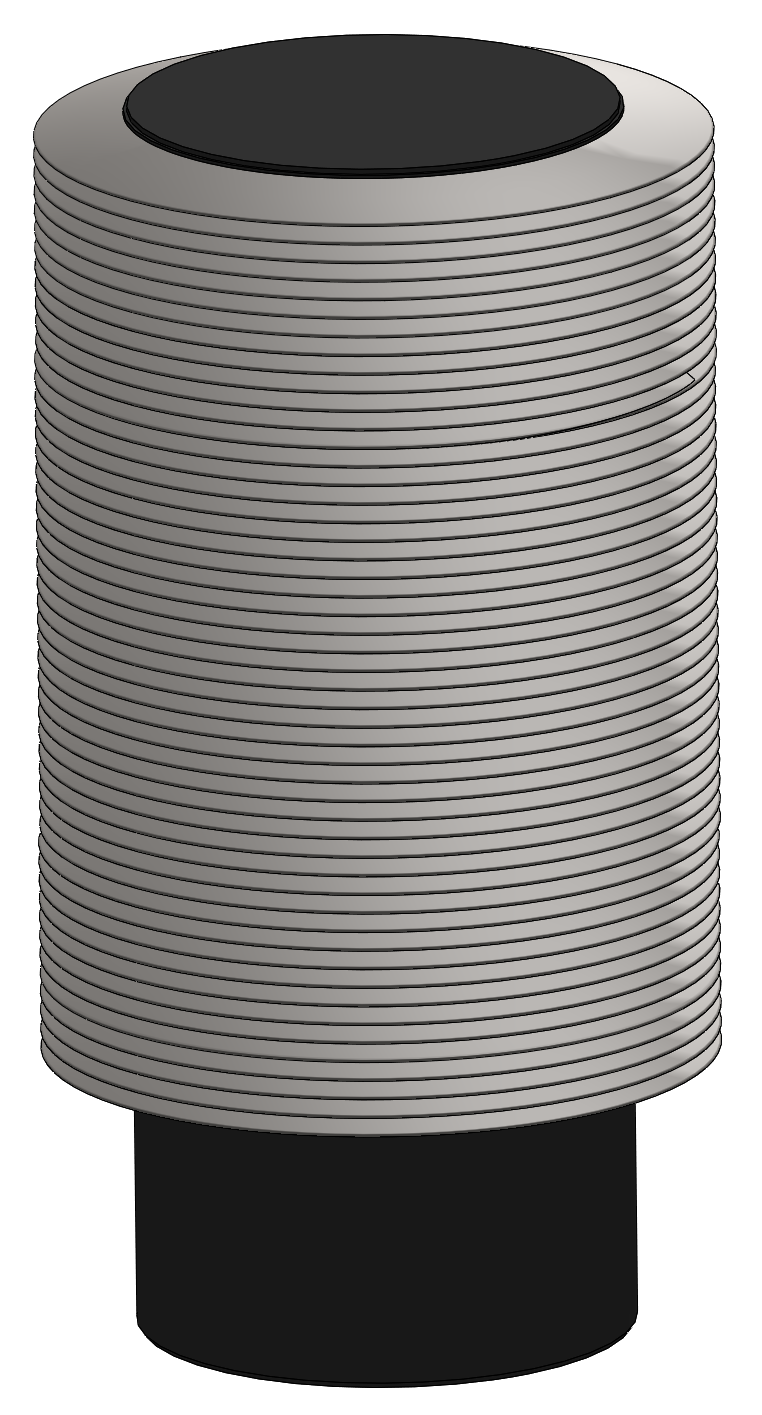
Enclosure may materially reduce direct rotor exposure for wildlife — though risk remains site- and species-dependent — and night-capable charging suits stations that record around the clock.