Loading…
Industries
One platform. Sixteen hard-to-power industries.
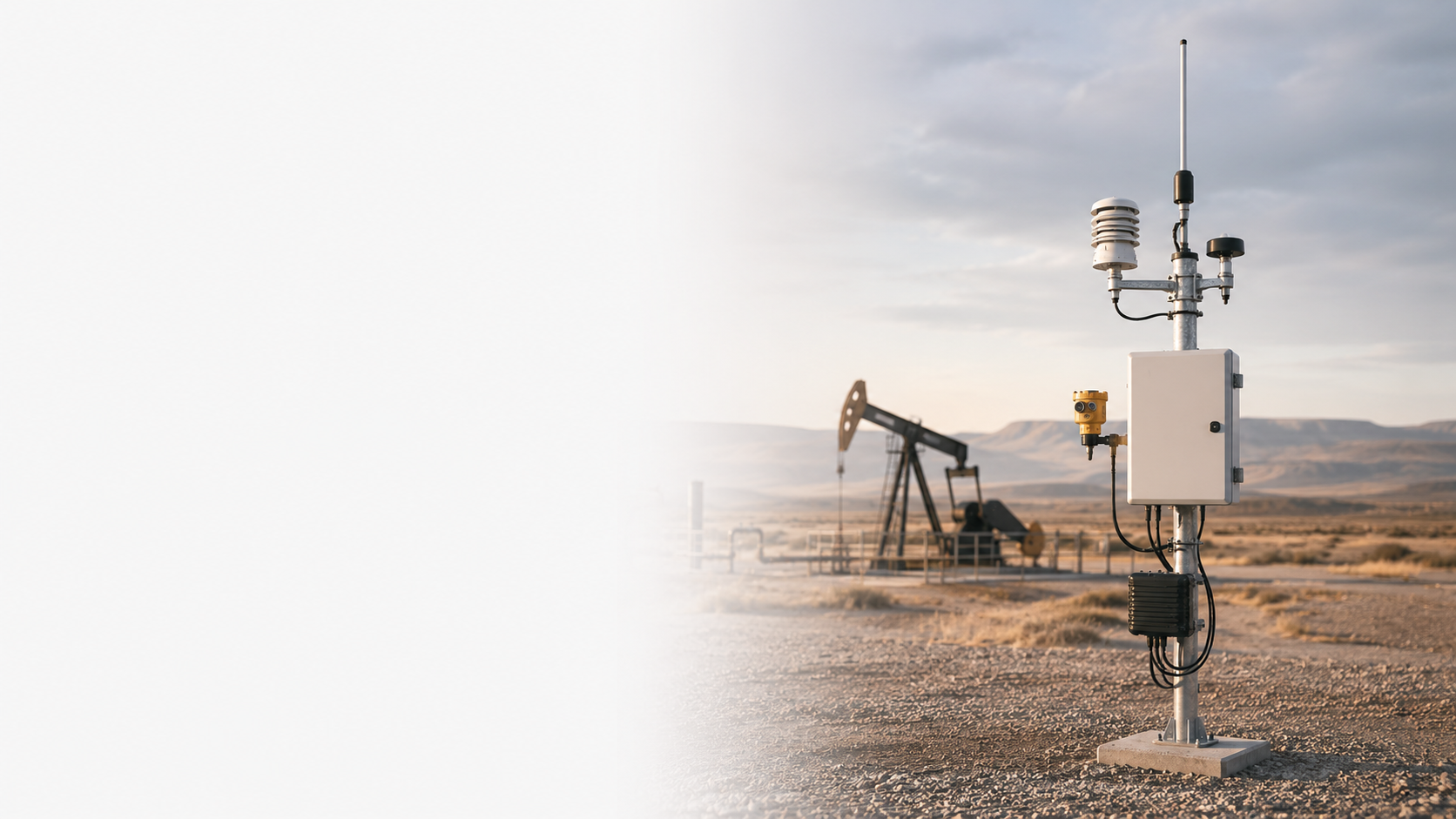
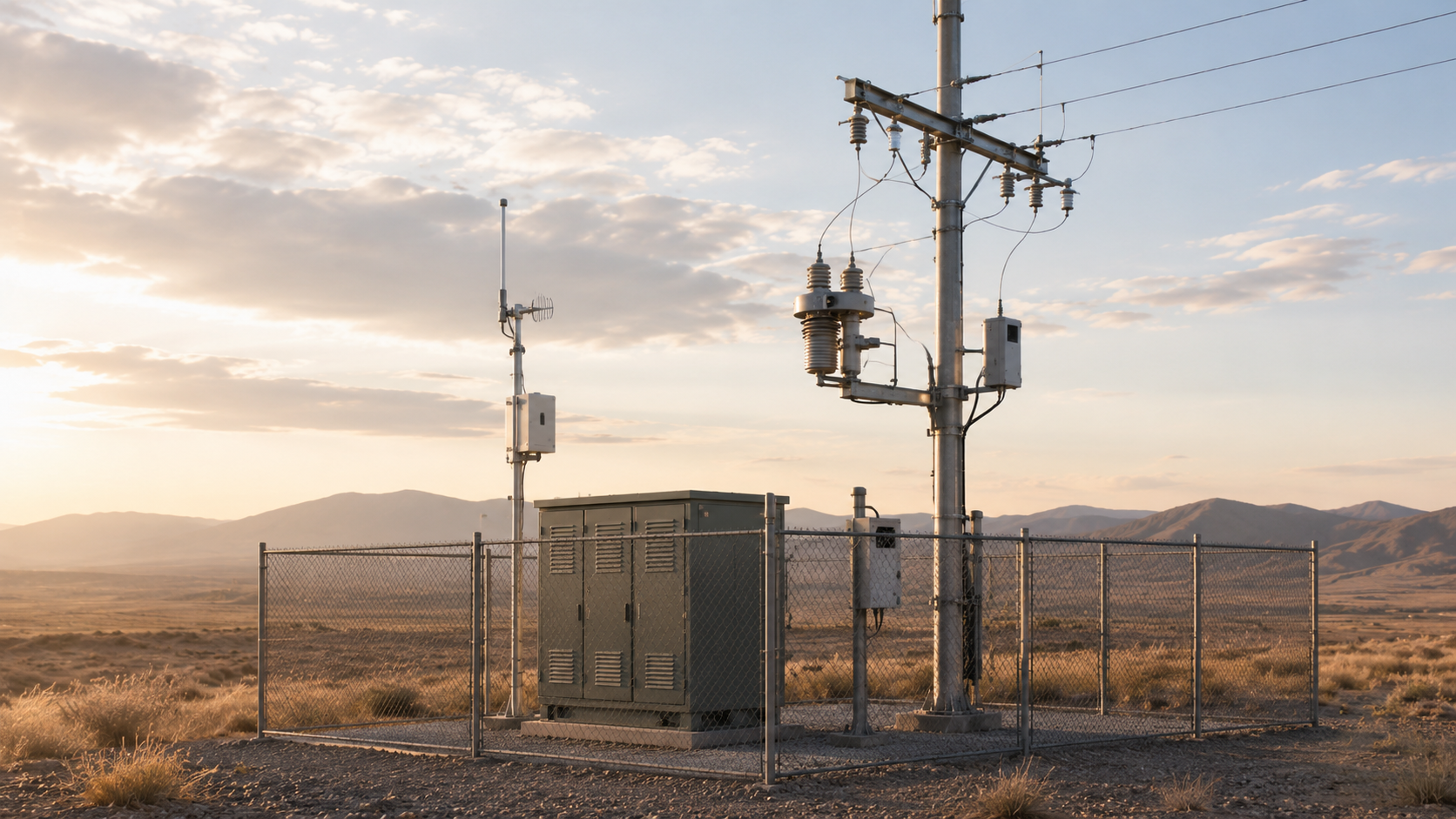
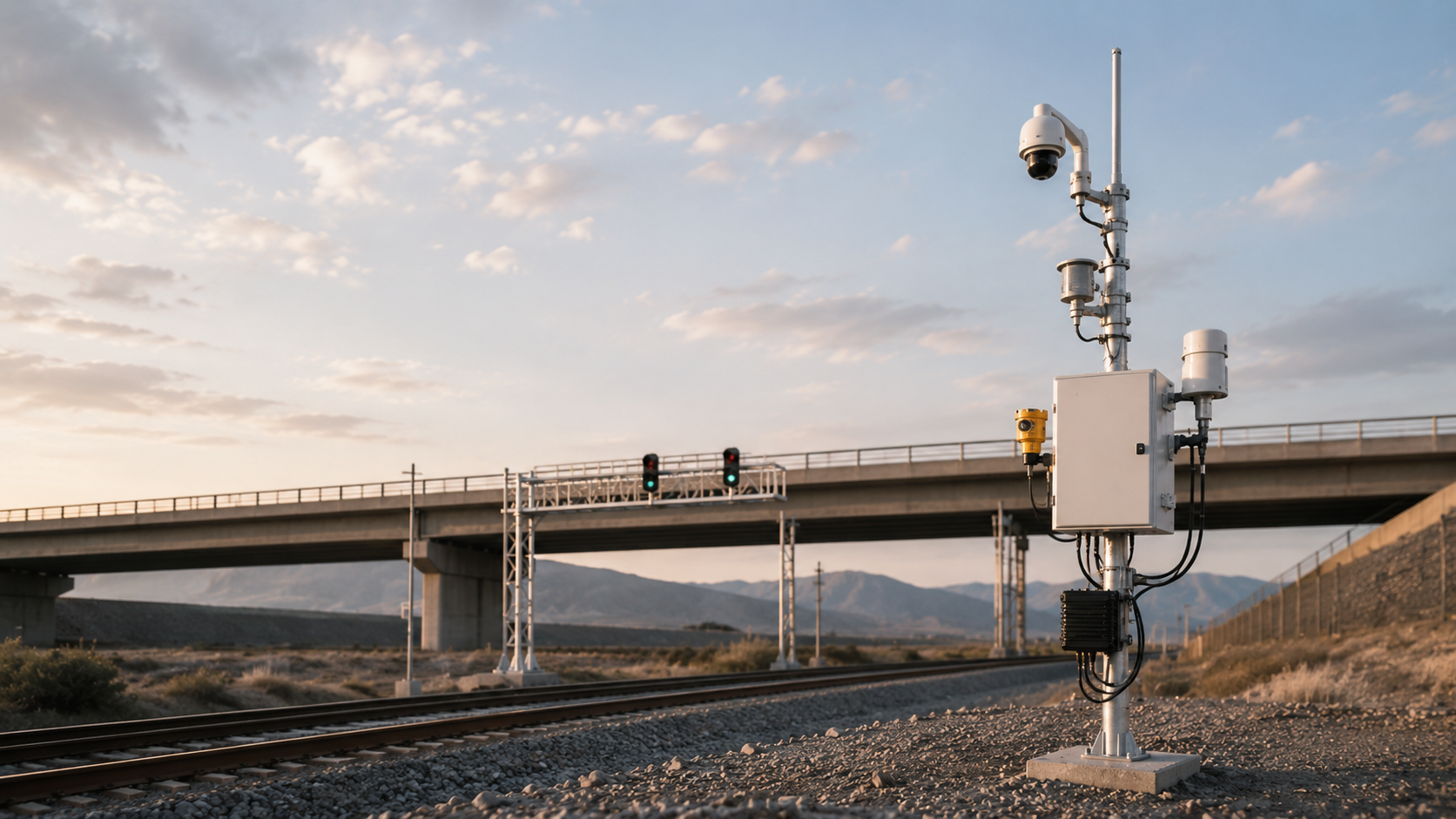
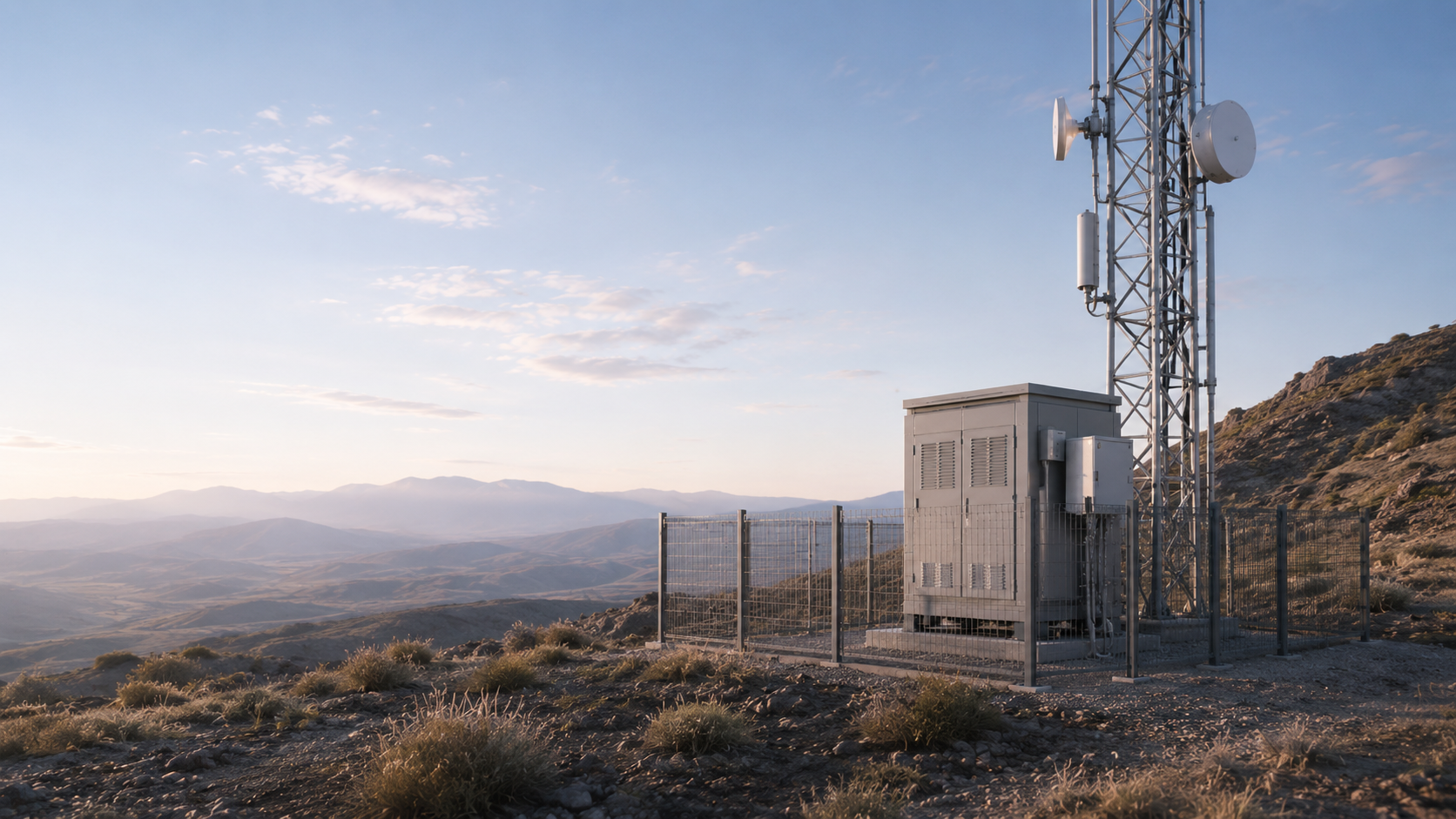
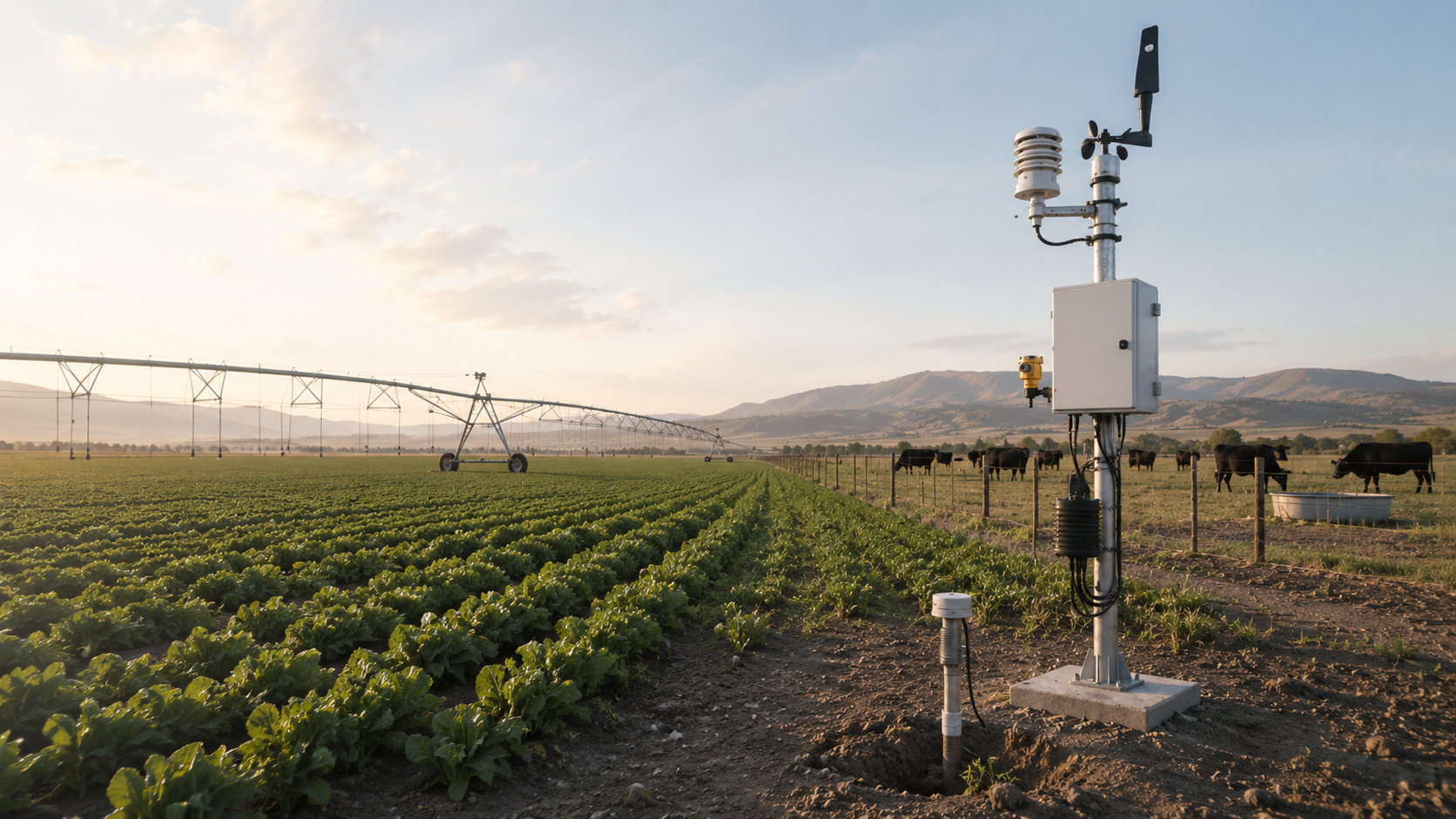
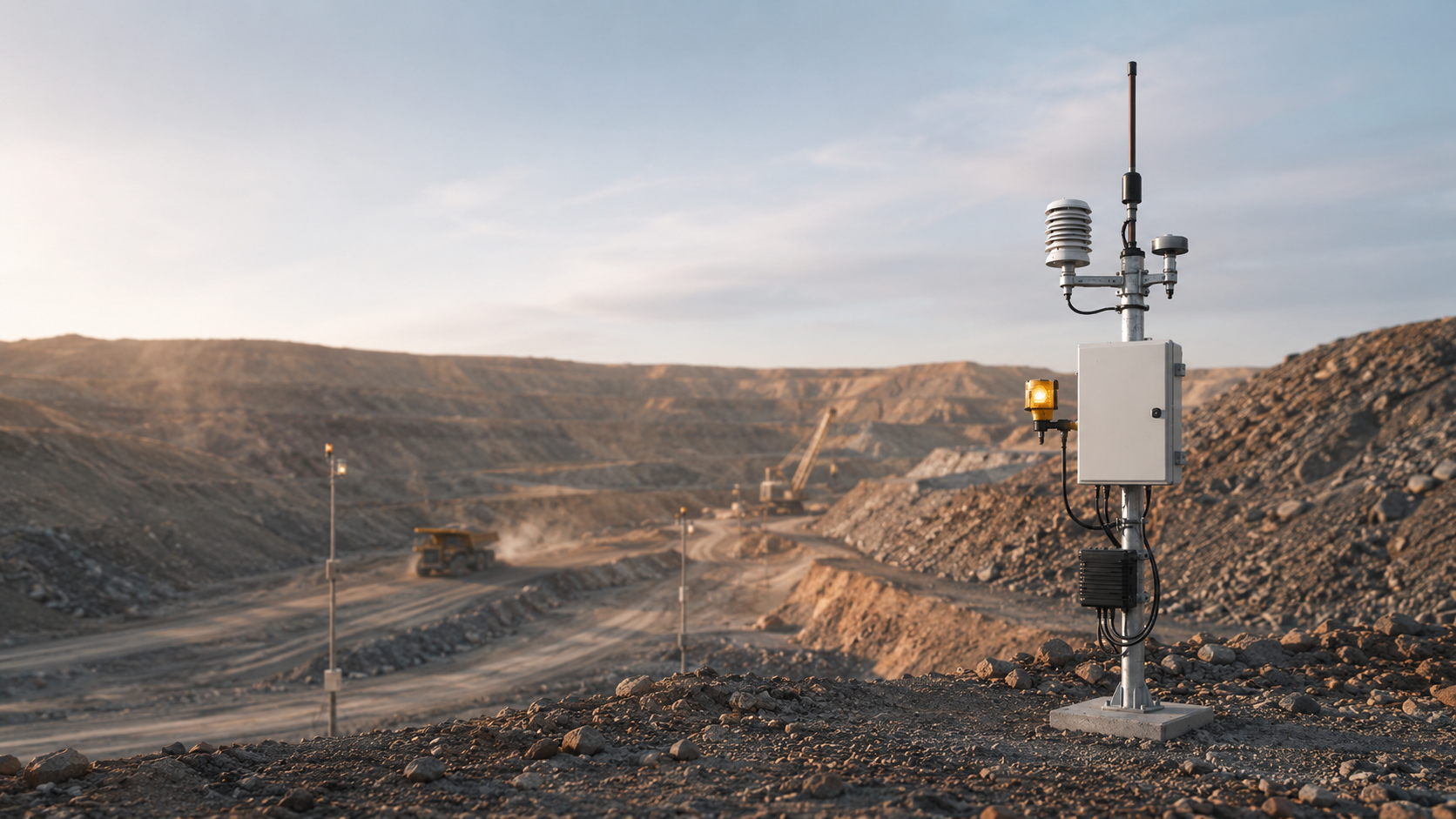
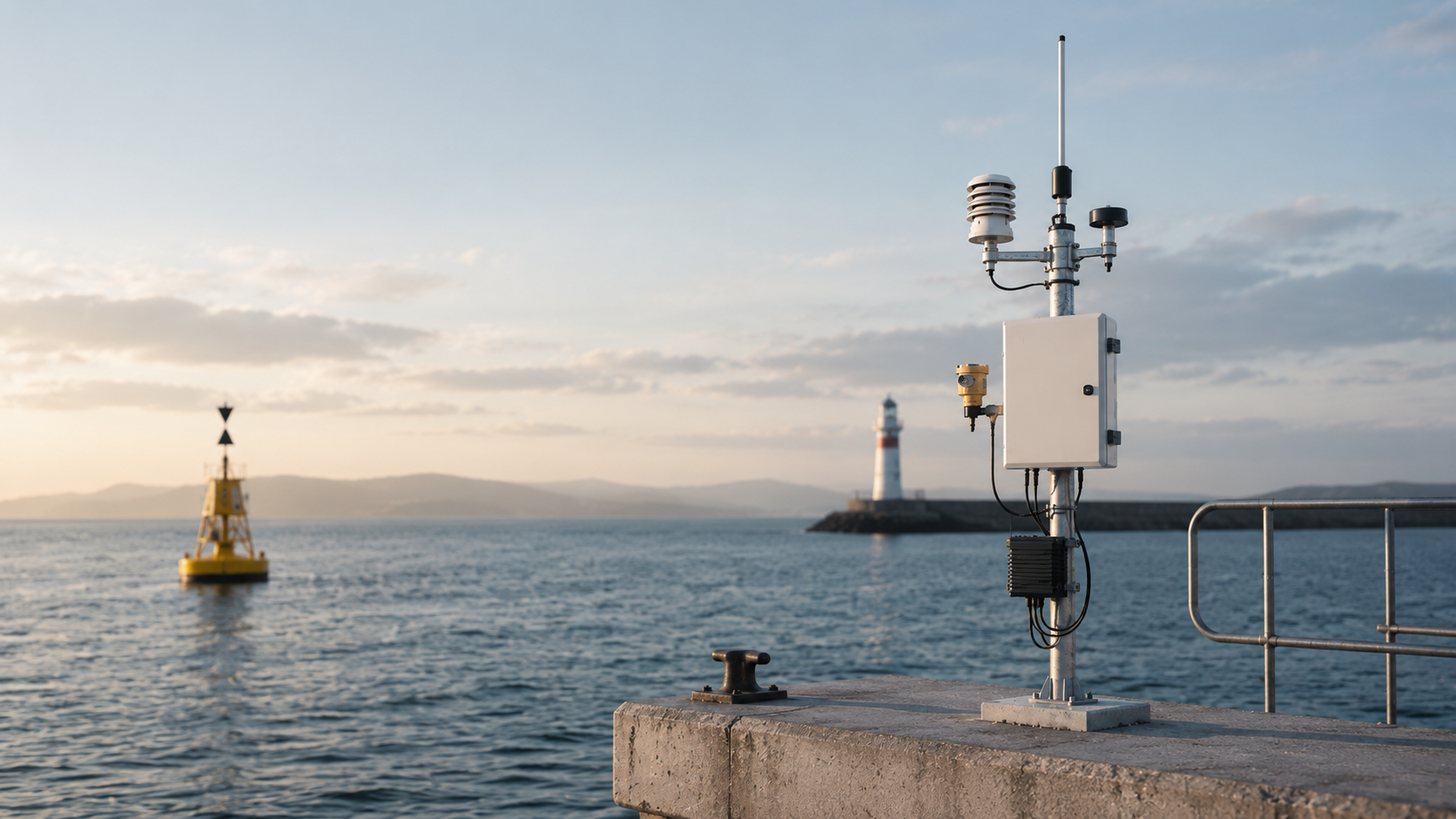
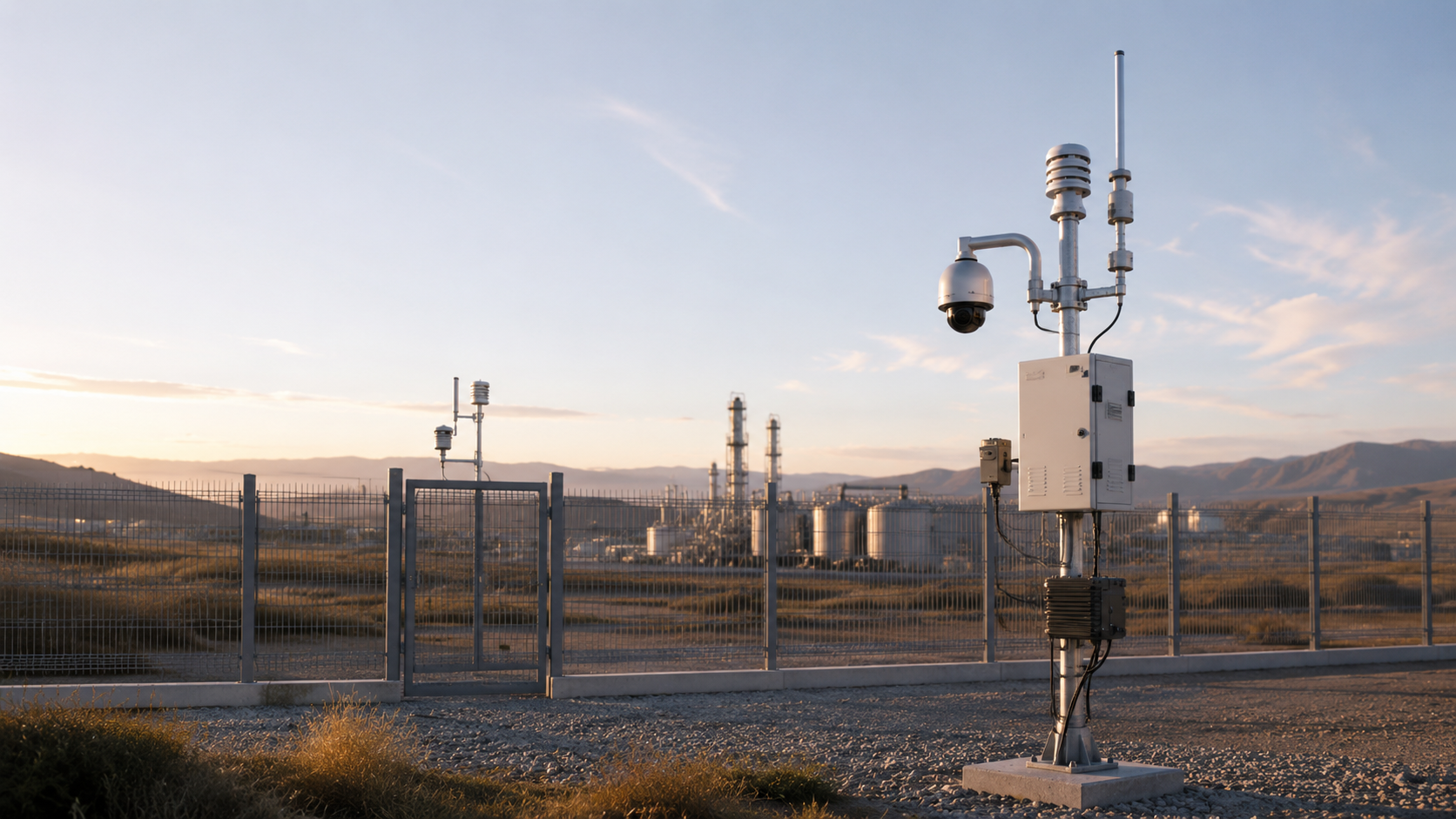
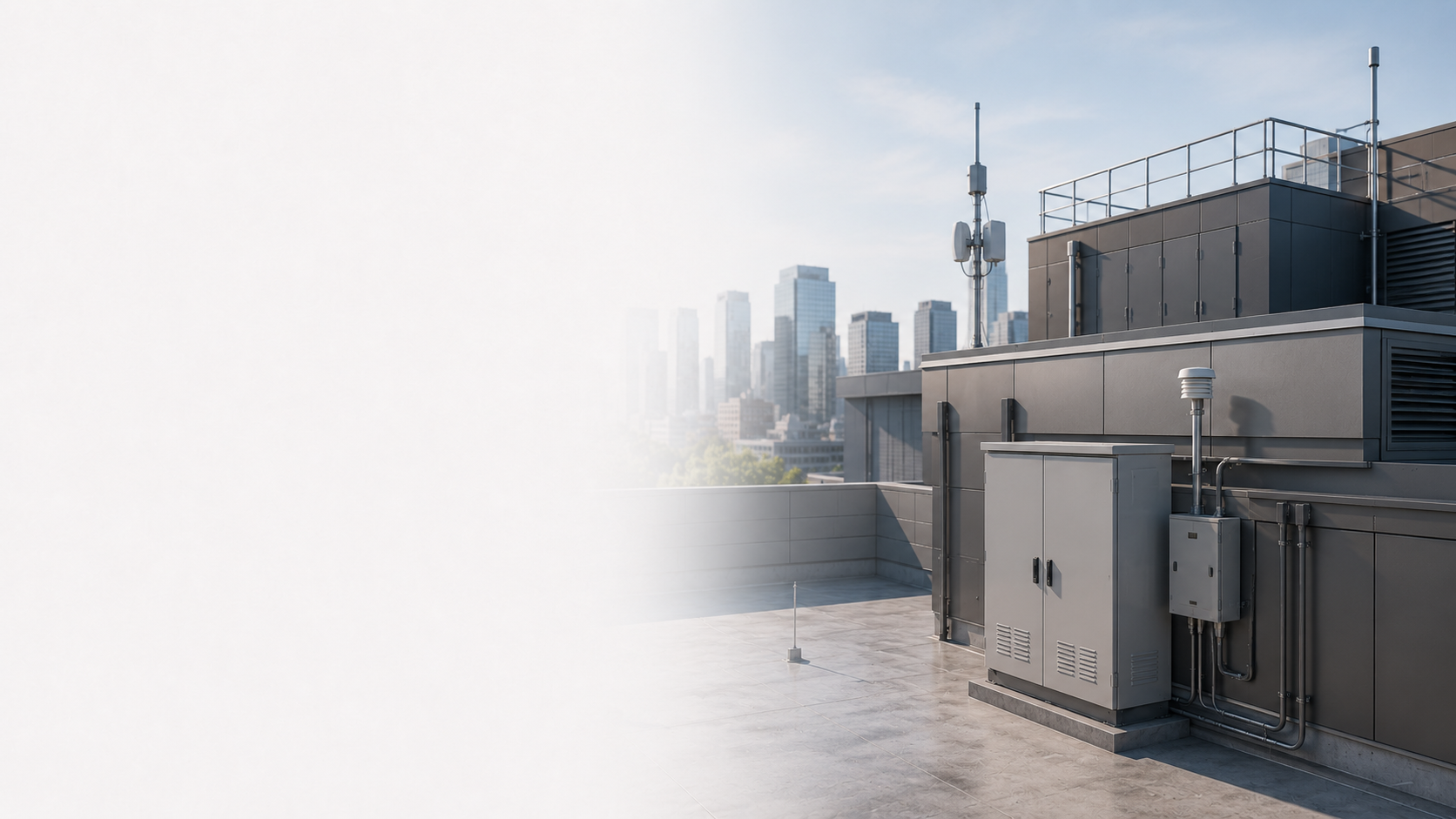
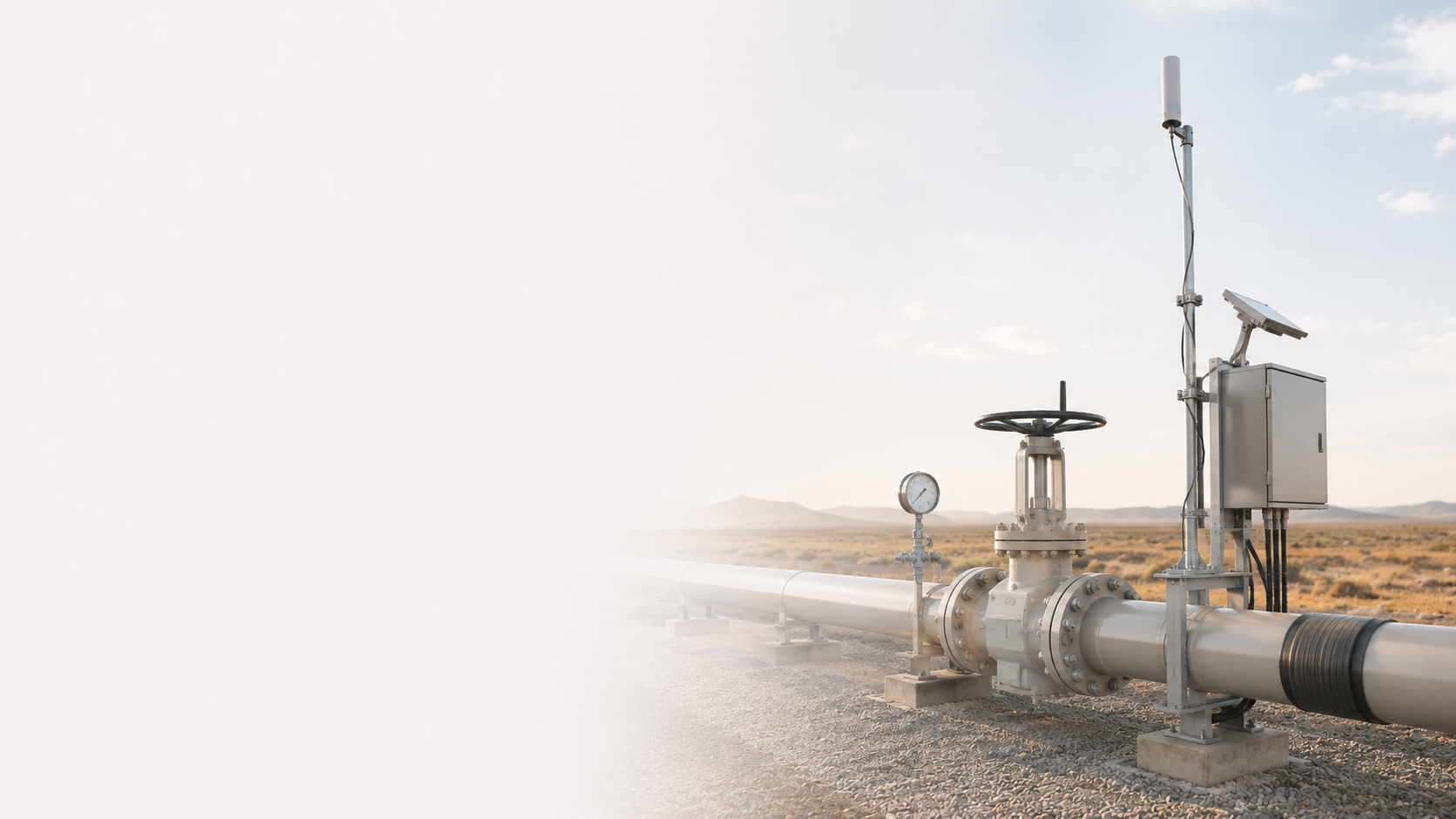
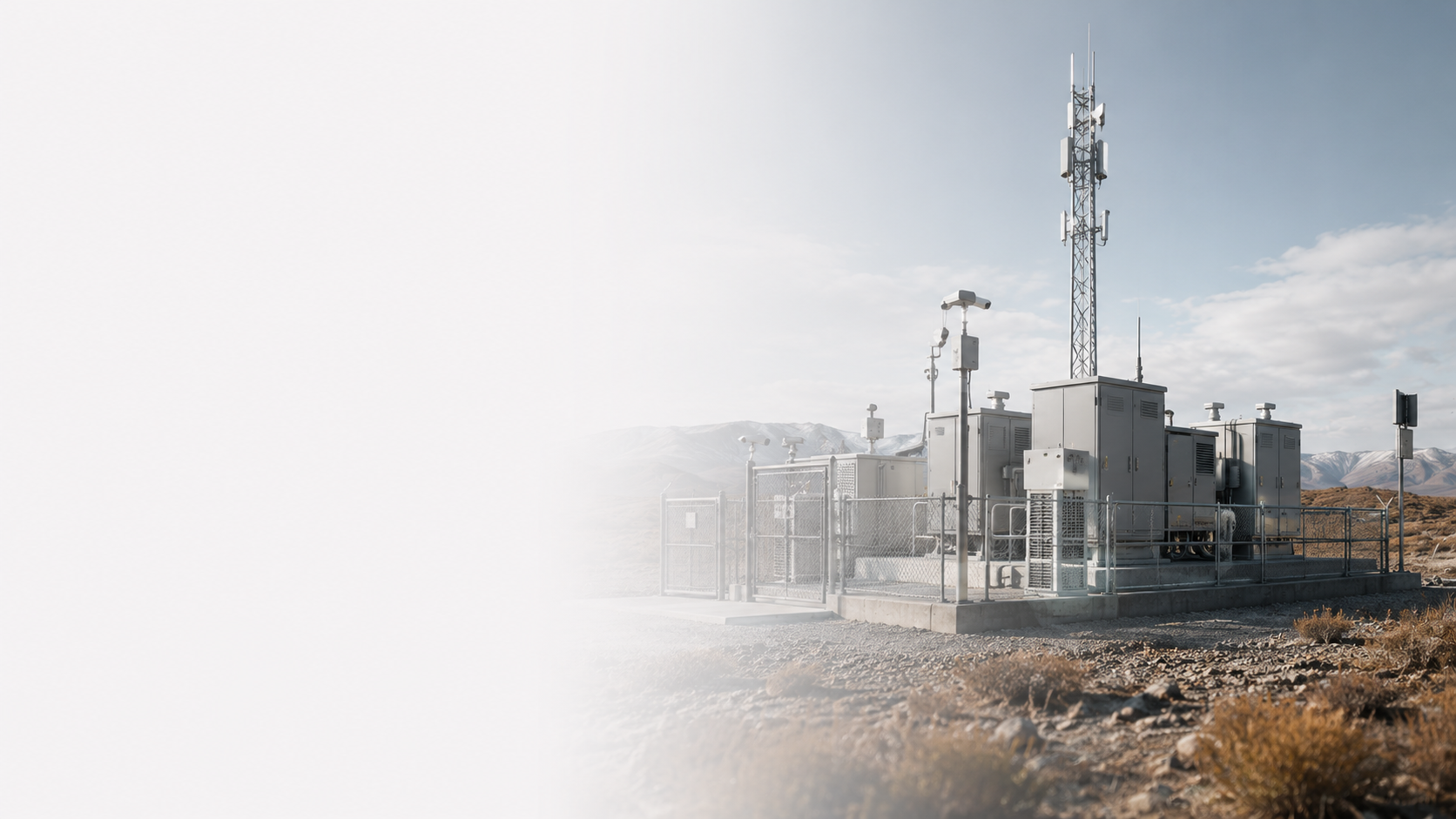
Every industry below shares the same underlying problem: battery-backed equipment operating far from convenient power, serviced by expensive site visits. Explore how enclosed micro-wind may fit each one.



What every site gains
Different industries. Same battery math.
Whatever the equipment, the economics repeat: batteries cycled gently last longer, and sites that charge themselves need fewer visits.
Batteries that last longer
Supplemental wind charging keeps batteries out of deep discharge — the single biggest driver of early battery death in the field.
Charging through the dark
Nights, storms, winter, dust, and snow are exactly when wind keeps working and battery reserves matter most.
Fewer site visits
Fewer dead batteries means fewer truck rolls, fewer emergency dispatches, and fewer battery-swap programs to run.
Uptime you can defend
Telemetry, safety, and security equipment that stays powered through the weeks that used to take it down.
Outcomes are design intents, modeled or estimated, subject to site conditions, and to be validated through testing and pilot deployments.
One platform, configured for your industry
The hardware adapts. The service model comes with it.
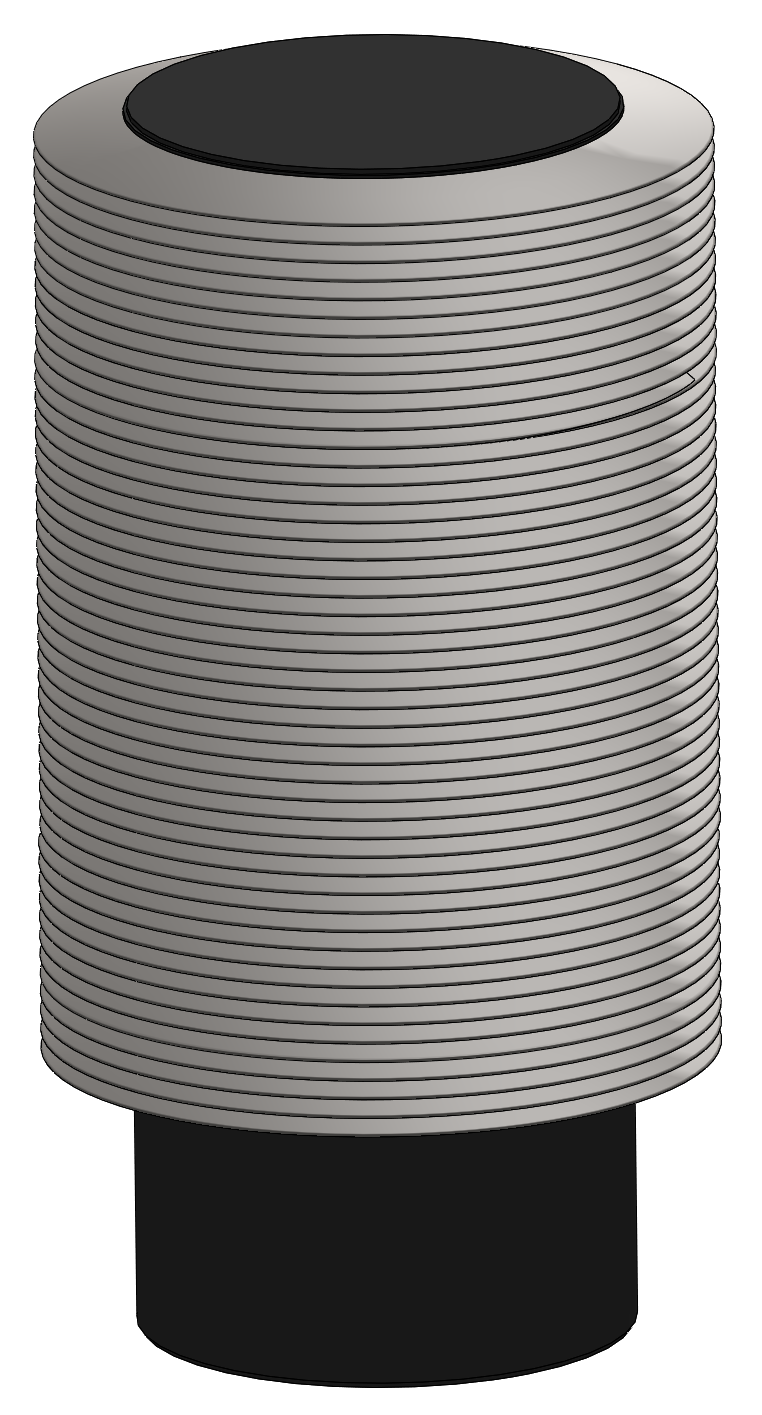
Every industry deployment draws from the same platform — shared components, industry-matched protection packages, and field service designed around component swaps instead of system replacements.
Shared architecture
Models share components and assembly processes across the family.
Environmental packages
Wet, dust, cold, marine, and classified-location configurations.
Mounting packages
Pole, frame, compound, and structure mounting concepts.
Battery configurations
Charge control matched to the site's storage and load profile.
Field-replaceable components
Designed for component-level service in the field.
Partner-supported service
Installation and service delivered through a partner ecosystem.