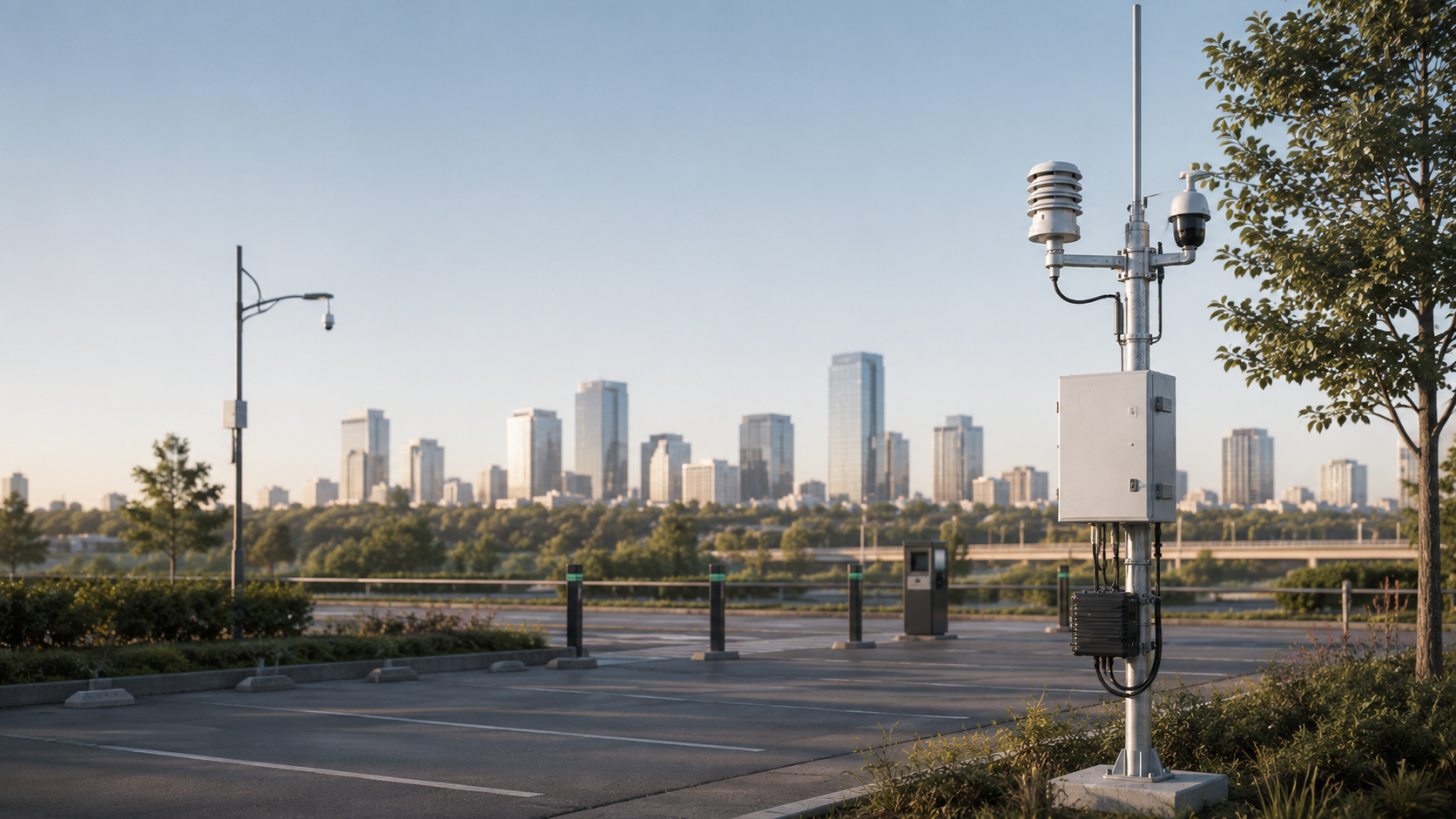
Highway corridors, mountain passes, rural intersections, and bridges instrumented with weather stations, cameras, signs, and detection systems far from convenient power.
The power challenge
Road-weather stations, ice detection, flood monitoring, and variable-message signs must stay alive precisely during storms — when solar output collapses and access is hardest.
Why current solutions fall short
Storm seasons pair peak demand with minimum solar production. Trenching power to remote sensor sites is slow and expensive, and exposed blades beside public rights-of-way raise safety and permitting friction.
Why enclosed micro-wind may fit
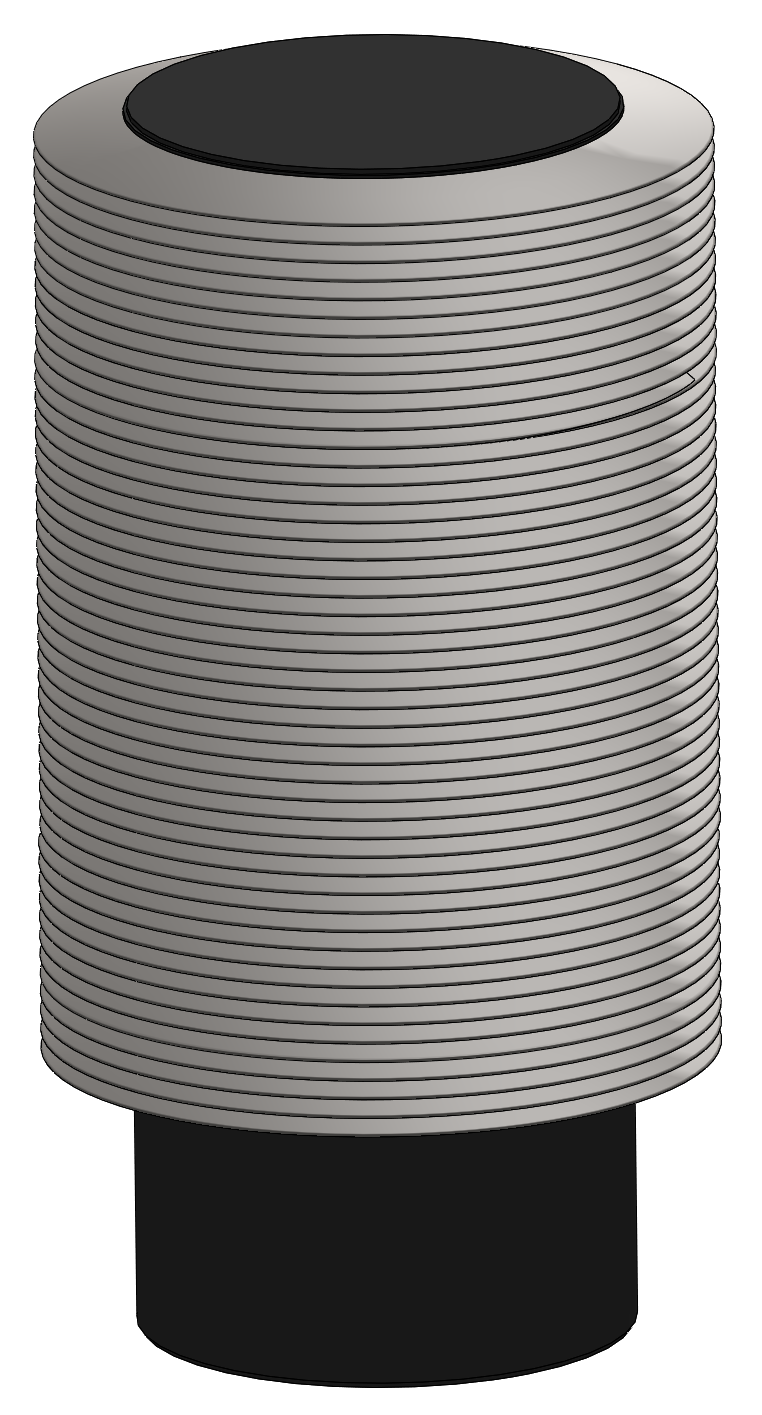
Wind is often strongest during the same weather that darkens solar panels. An enclosed unit beside the roadway is designed to charge through storms while keeping rotating parts protected from — and protected against — the traveling public.